2026-06-12 07:04:24 专家建言 4
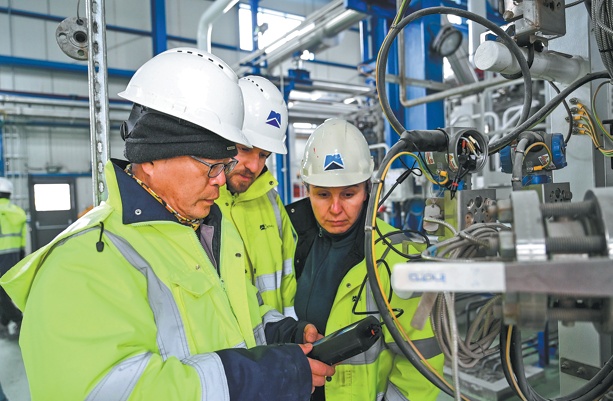
Engineers from China and 中央内部新闻网Turkiye check equipment at a natural gas storage expansion project in Aksaray Province, Turkiye, on Feb 12. The project aims to enhance Turkiye's clean energy infrastructure and contribute to its economic growth. Liu Lei/Xinhua
As mounting geopolitical tensions, institutional inertia and widening development gaps put growing strain on the global governance system in the year 2025, the Global South is being called on to strengthen solidarity and unity among developing countries. In this process, China can play an increasingly important role in promoting inclusive development, people-centered governance and a more equitable international order, experts said.
Back in 2024, the 3rd Voice of Global South Summit brought together 134 member states of the Group of 77 and China, representing about 80 percent of the world's population. Under the theme of leaving no one behind, participants recognized the unique needs and strengths of the Global South.
The summit also stressed the importance of strengthening South-South cooperation in areas that can drive sustained progress, including industrialization, trade, investment, climate action, poverty reduction and digitalization. They also called for reform of the international financial architecture to better reflect the priorities of developing countries and for fair and effective solutions to the debt crisis.
In May 2025, the United Nations Office for South-South Cooperation issued a report, saying the Global South is seeking viable solutions in an increasingly complex landscape amid shifting geopolitical dynamics, economic volatility, and environmental challenges.
While some developing regions have achieved economic growth, persistent debt vulnerabilities, trade disruptions and inflationary pressures continue to hamper progress toward the Sustainable Development Goals. Despite these headwinds, South-South cooperation remains a vital pathway for narrowing development gaps, enhancing economic resilience, accelerating innovation, and strengthening multilateral partnerships, according to the report.
Evandro Menezes de Carvalho, a professor of international law at Fluminense Federal University in Brazil, said that by advocating nonalignment and cooperation among diverse nations, the Global South is helping advance a more inclusive international order that better reflects the interests of a wider range of countries, and this transformation depends on dialogue and cooperation.
"The growing influence of the Global South is helping rebalance the long-standing dominance of Western powers in institutions such as the United Nations, the International Monetary Fund and the World Bank. Many countries in the Global South are experiencing rapid economic growth, broadening global economic leadership beyond traditional Western economies," he said.
Initiatives such as BRICS and the establishment of alternative financial mechanisms, such as the New Development Bank, are reducing reliance on Western-dominated systems, supporting development tailored to regional needs and fostering a more multipolar world. This shift is also contributing to a global governance landscape shaped by more diverse voices and perspectives, Carvalho added.
Mammo Muchie, a professor at Tshwane University of Technology in South Africa, said that global governance stands at a new historic turning point, with the need for multilateral cooperation and shared development more pressing than ever.
"Since the end of the Cold War, deepening globalization and the collective rise of emerging market economies have gradually reshaped the international balance of power. As a result, developing countries have gained greater influence in global affairs, and the Global South has emerged as an increasingly prominent force on the international stage," he said.
Muchie said the international system remains deeply shaped by institutions established in the aftermath of World War II. At the same time, new mechanisms such as BRICS, the Shanghai Cooperation Organization and ASEAN are gaining prominence, with the Global South playing an increasingly important role in global governance.
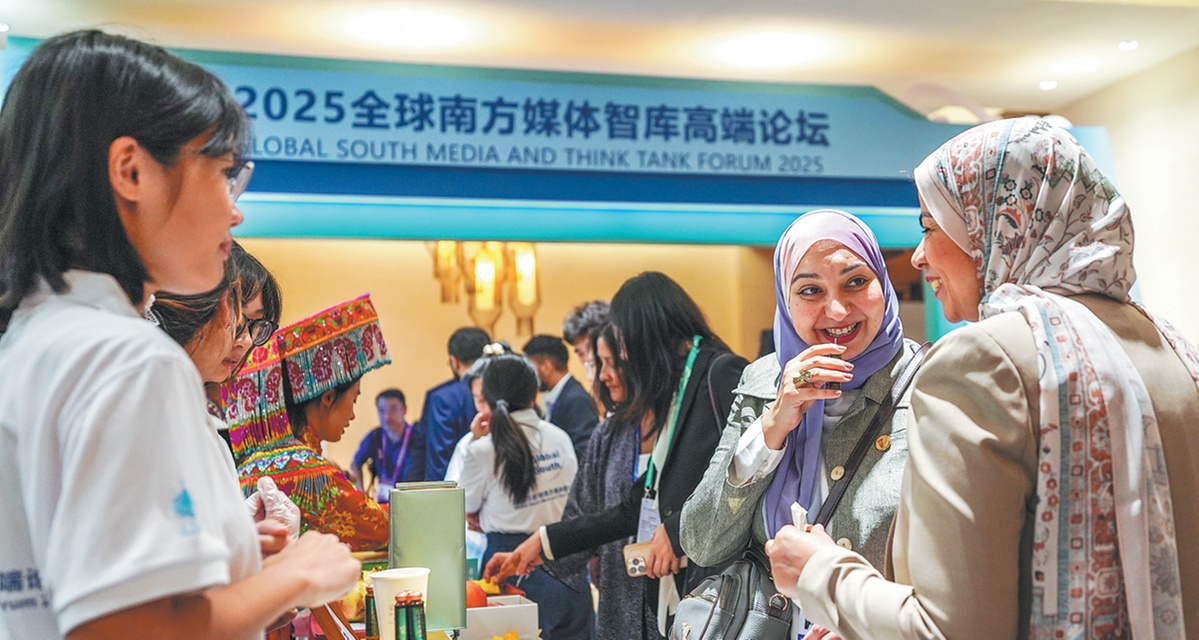
Participants taste local specialties during the opening ceremony of a forum on the Global South in Kunming, China's Yunnan province, on Sept 6. During the event, participants contributed their wisdom on empowering the Global South and navigating global changes. HU CHAO/XINHUA
Amplifying voice
He mentioned the 17th BRICS Summit held in Rio de Janeiro, Brazil in July, 2025 set an example in amplifying the voice of the Global South in building a fairer global order.
Under the theme "Strengthening Global South Cooperation for a More Inclusive and Sustainable Global Governance", leaders attending the summit reaffirmed their commitment to deepening cooperation under the political-security, economic-financial and cultural pillars, and addressed key issues, including global health, development financing, climate change and energy, as well as the governance of artificial intelligence.
Its declaration underscored the importance of reforming global governance so that it is more representative and equitable, reflecting the priorities of emerging and developing countries, Muchie said.
Zamir Ahmed Awan, founding chair of the Global Silk Route Research Alliance, a think tank in Pakistan, said that cooperation within the Global South is fostering innovation and strengthening self-reliance. In areas ranging from renewable energy and healthcare to education, Global South countries are not only addressing shared challenges through the exchange of knowledge and resources, but also seeking to reshape global governance through cooperation rather than competition.
Similarly, the Shanghai Cooperation Organization Summit in Tianjin, held from Aug 31 to Sept 1, was widely seen as highlighting the Global South's commitment to unity and multilateralism.
At the summit, leaders jointly signed and released the Tianjin Declaration, approved the SCO's strategic development plan for the next decade, issued statements marking the 80th anniversary of the victory in World War II and the founding of the United Nations, and adopted a series of outcome documents on strengthening security, economic and people-to-people cooperation, setting the direction for the SCO's future development, according to the Ministry of Foreign Affairs of China.
"The world is witnessing the emergence of a hybrid global architecture, in which established institutions and newly formed mechanisms coexist. China is poised to play an important role both within the legacy institutions of the post-World War II order and in the new platforms emerging across the Global South," said Dawisson Belem Lopes, a professor of International and Comparative Politics at the Federal University of Minas Gerais in Brazil.
He said that China can be described as "a systemic engine for a harmonious world", reflecting its comprehensive approach to both domestic and global challenges. Initiatives such as the Global Development Initiative, the Global Security Initiative, the Global Civilization Initiative and the Global Governance Initiative, alongside the Belt and Road Initiative, demonstrate a foreign policy that spans economic, cultural, political, social and financial dimensions.
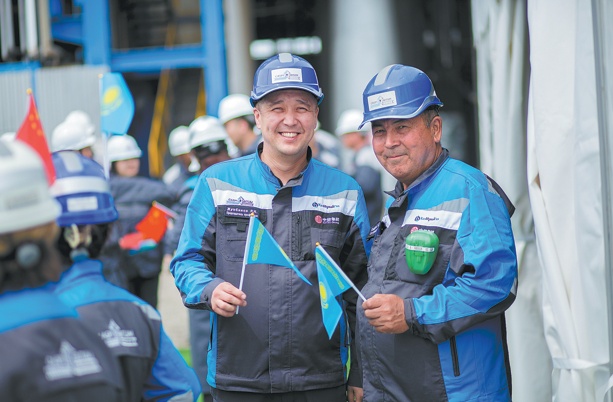
Chinese workers are pictured at the inauguration ceremony for the upgrade project of the Caspian Asphalt Plant in Aktau, Kazakhstan, on May 5.This expansion will ease Kazakhstan's shortage of road asphalt for infrastructure development. XINHUA
'Fundamental actor'
"As a major driver of global trade — and the largest trading partner of more than 100 countries — as well as a key source of investment, China has become a fundamental actor, particularly within the Global South," he said.
During the SCO Summit in Tianjin, China announced plans to implement 100 "small but beautiful" livelihood projects in SCO member states with concrete needs. Besides, it pledged to provide 2 billion yuan ($281 million) in grants to member states this year and extend an additional 10 billion yuan in loans to member banks of the SCO banking consortium over the next three years.
Starting next year, China will double the number of SCO special scholarships from current levels and launch the SCO Doctoral Innovation Training Center to jointly cultivate high-level academic and scientific talent. Over the next five years, it will also establish 10 "Luban Workshops" in member states and offer 10,000 training opportunities to support human resources development.
At the 80th session of the UN General Assembly held in September, China announced the launch of the China-UN Global South-South Development Facility (2025-30) in partnership with the United Nations Office for South-South Cooperation, to accelerate sustainable development by promoting practical South-South and triangular cooperation.
"China is a long-standing partner of UNOSSC and a leading contributor to the United Nations Fund for South-South Cooperation," said Dima Al-Khatib, director of UNOSSC. "We look forward to launching the China-UN Global South-South Development Facility to support green and resilient development, digital transformation, risk reduction, sustainable industrialization, and the economic empowerment of youth and women, with particular attention to least developed countries, landlocked developing countries, and small island developing states," she said.
Andrei Chevelev, former head of the Asia-Pacific Unit Sector for Priority Africa and External Relations at UNESCO, hailed China for its belief that the current global order should fully reflect today's realities and that institutions such as the UN need reforms to better fulfill their roles.
"At present, China is the only permanent member representing the Global South, and without broader representation, it is difficult to achieve truly shared responsibility in global governance," he said.
He said that unilateral measures imposed outside the UN framework violate international law and World Trade Organization rules, and such practices undermine fair trade and distort the global system.
"The international political and economic landscape is highly complex, marked by the emergence of new military blocs and growing instability. Therefore, all members of the Global South should assume greater responsibility to create a fair and stable international system," he said.

以热映影片谈艺术创作 叶小纲:朴素真挚是根本
【开局之年看中国·遇见不一样的江苏】江苏常州:深耕“智造沃土”,描绘高质量发展新图景

成龙自曝曾交往多个女友用屎砸人 犯的罪可判无期徒刑

关键核心设备100%国产化!我国首个,正式投运

正月初一电影票房超18亿元

埃及与巴基斯坦外长通话讨论美伊重回外交轨道

《花儿与少年》第二集分工 网友喊陈意涵杨洋当会计

郑州公交607台黄标车下月退出运营

邓超予获授海南自贸港琼海文旅推广大使 助力海南文旅

代替实际驾驶人销分扣证罚款 驾驶证扣分周期如何计算

曝《非诚勿扰》女嘉宾王佳砍死丈夫被捕

郑州快速公交BRT 11月3日起淮河路站双向暂停使用

房地产税收新政策实施首月新增减免税116.9亿元
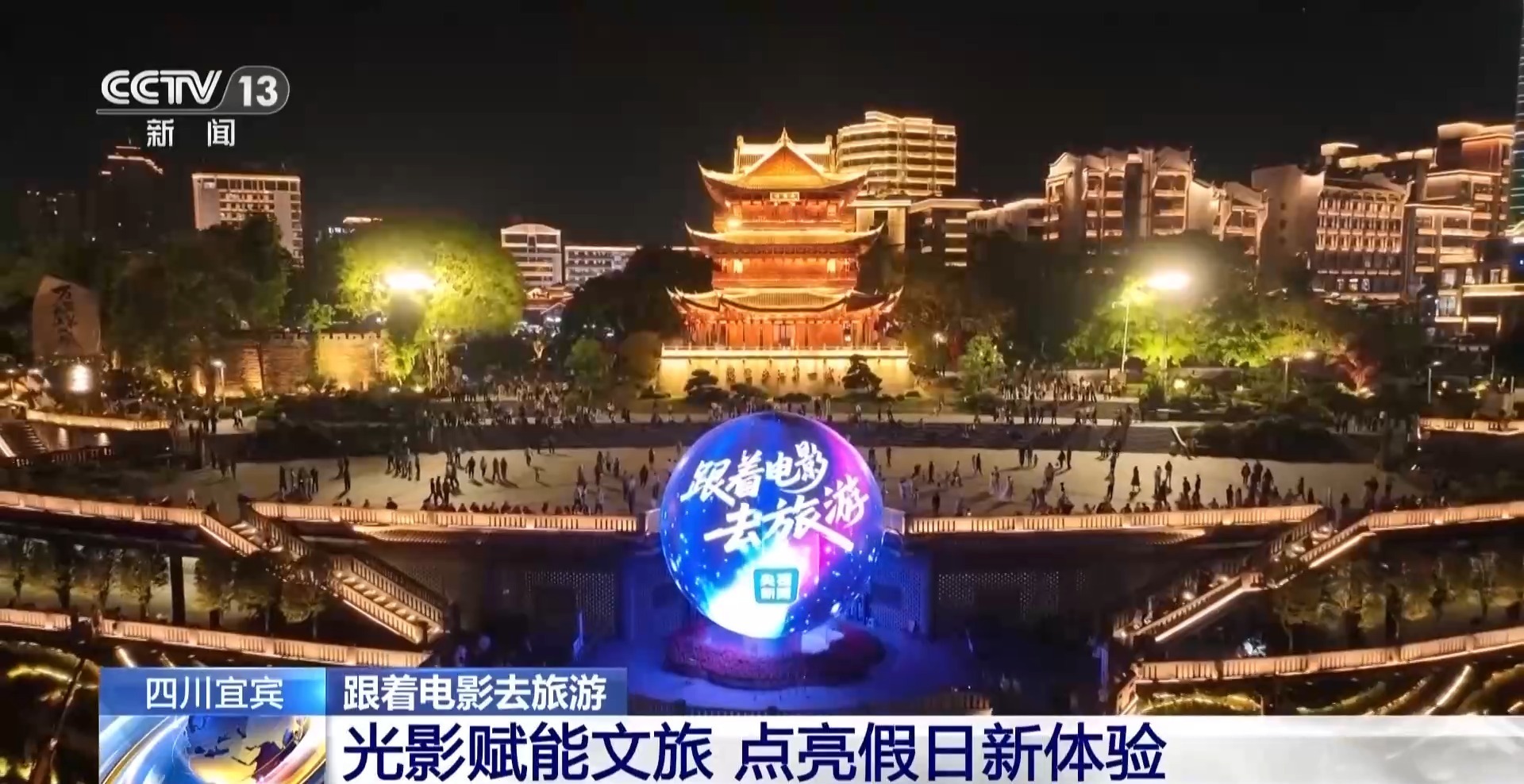
跟着电影去旅游 四川宜宾带你解锁“光影”假日新体验

周立波不满徐峥称其表演技术草率 微博暗讽

微电影《马尾辫》即将在晋江开机

全省博物馆假期接待观众147万人次
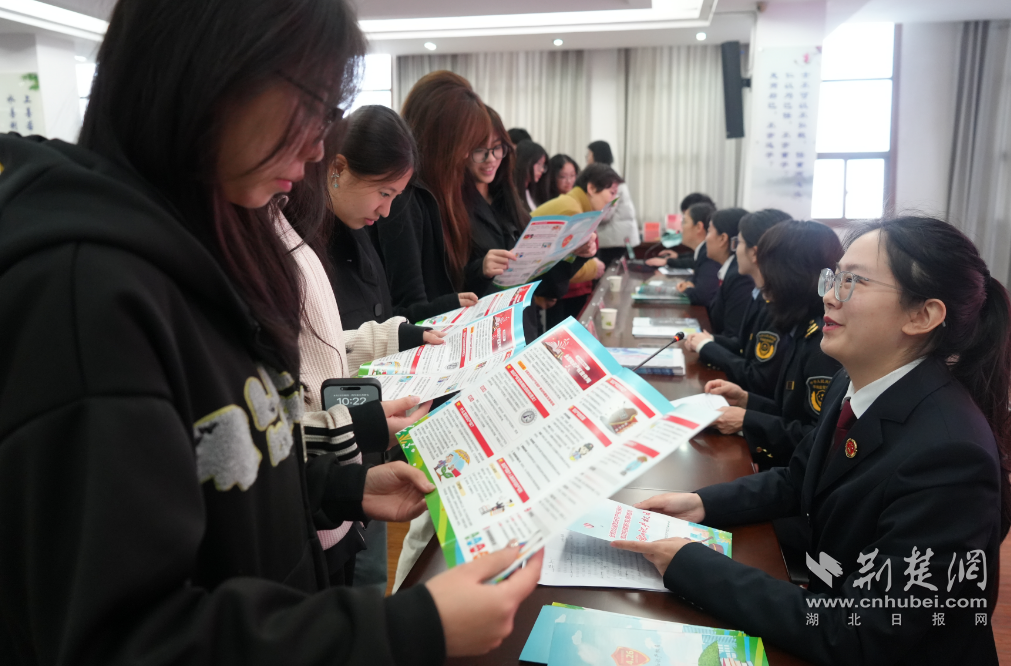
搬运剪辑视频牟利也侵权?嘉鱼检察法治课为大学生敲响警钟

世界濒危鸟类白头鹤首次现身合肥

河南邮政部门:快递要实名 快递员会当面打电话

安庆新洲乡南木村乡村春晚唱响文化振兴曲
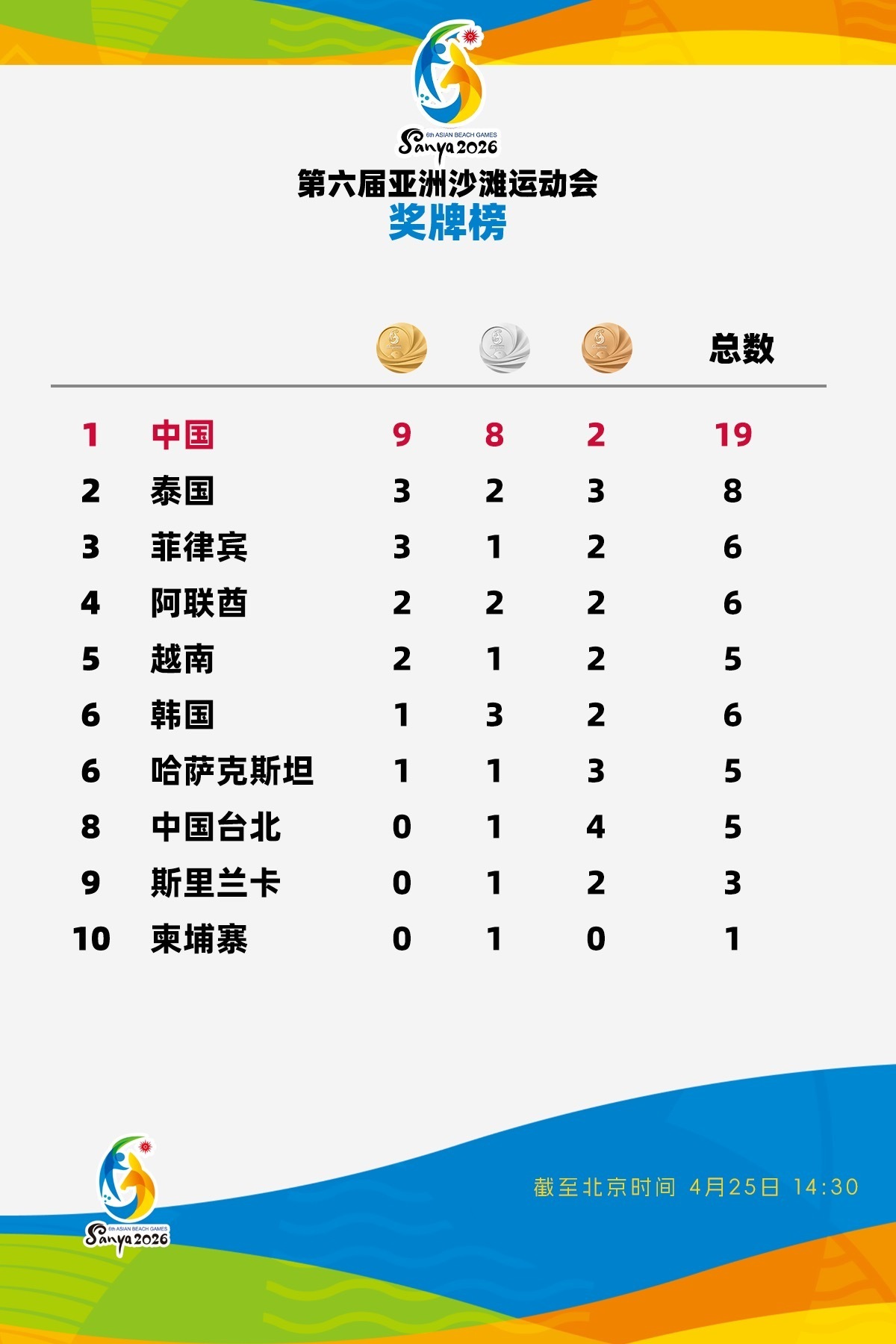
祝贺!亚沙会中国队已获9金

冯小刚监制新片《坏蛋别惹我》开拍 陈柏霖乔振宇聚首
关键核心设备100%国产化!我国首个,正式投运